















BBCOR, USSSA & USA Bats Explained: What Every Parent Needs to Know
Drop three, drop ten, BBCOR, USSSA, USA — if you're a parent buying your first baseball bat, the labels alone can be more confusing than the shopping.
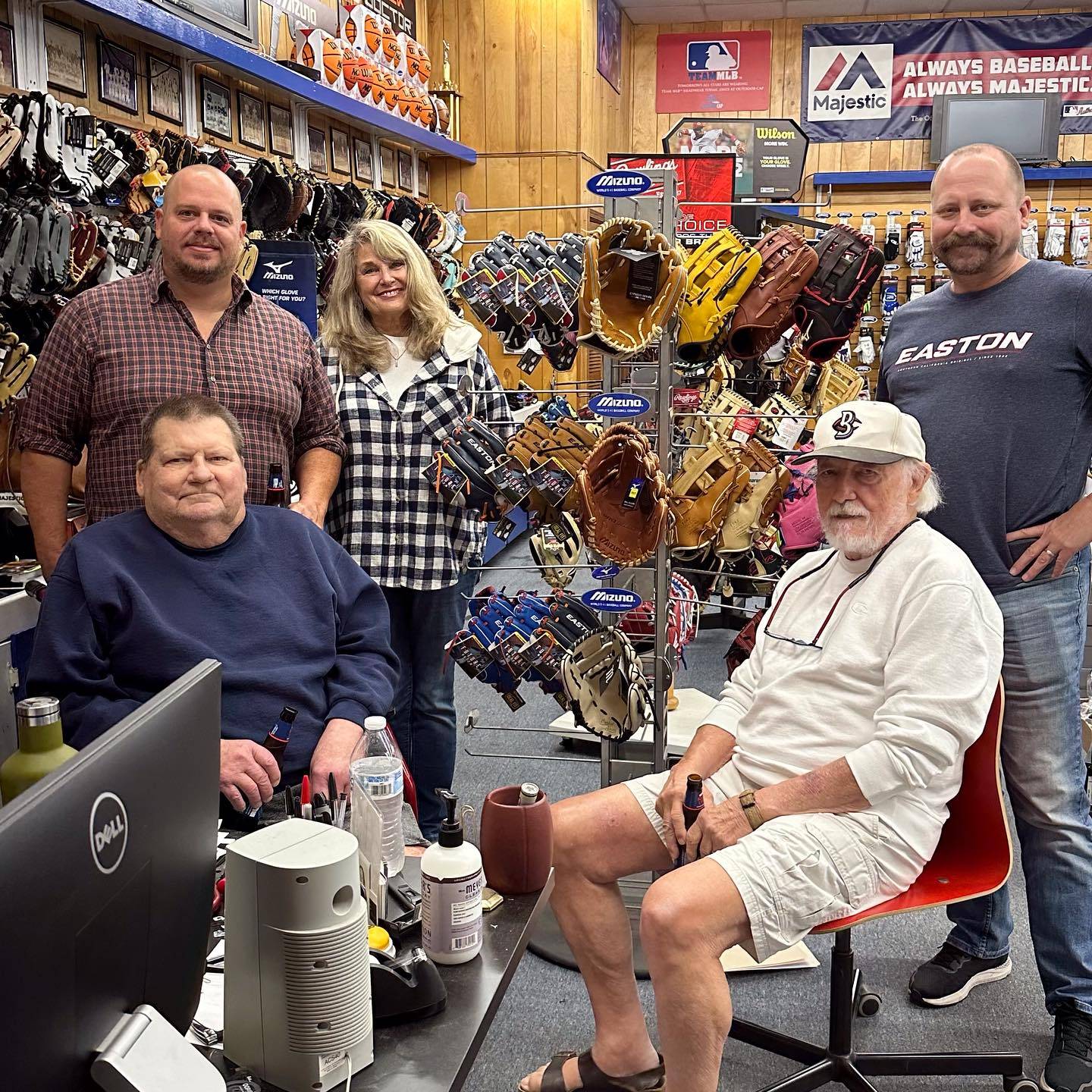
I recently sat down with Score Atlanta to talk about what parents should actually be looking for when buying a bat. We covered everything from certifications and drop weights to composite bats, two-piece construction, and how to figure out what your player actually needs.
The First Question: What Bat Is He Allowed to Use?
Before we talk about brands, prices, barrel sizes, or whether your kid wants the same bat his favorite player is swinging, we need to answer one question:
What bat is he allowed to use?
BBCOR, USSSA, and USA aren't different brands of bats. They're different certification standards, and the league or tournament your player is playing in determines which certification he needs.
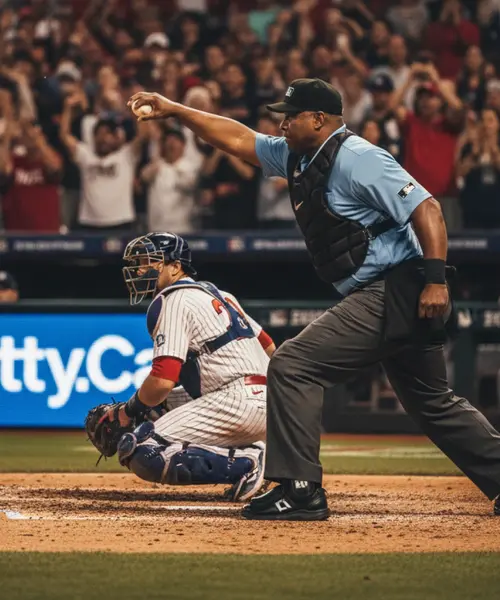
Buying a great bat doesn't do you much good if the umpire won't let your kid take it to the plate.
If you're not sure what your league requires, find out before you buy. And if they've given you written bat requirements, bring them with you.
What "Drop Weight" Actually Means
This is one of those terms that sounds more complicated than it is.
Drop weight is simply the difference between the bat's length in inches and its weight in ounces.
A 33-inch, 30-ounce bat is a -3.
A 30-inch, 20-ounce bat is a -10.
That's it.
Generally, younger players swing lighter bats with larger drops. As they get older and stronger, they'll usually work toward heavier bats with smaller drops before eventually reaching the -3 BBCOR bat traditionally used at the high school and college levels.
But there's an important distinction:
The heaviest bat a player can swing isn't necessarily the heaviest bat he should swing.
Two 11-year-olds can be completely different sizes, strengths, and types of hitters. One may handle a -8 just fine while another has much better bat speed and control with a -10.
If adding weight slows the barrel down or makes it harder for the player to control the bat, we haven't accomplished anything.
That's one reason we like having the player in the store. Age, height, and weight can get us in the neighborhood.
Actually putting bats in his hands tells us a lot more.
BBCOR vs. USSSA vs. USA: What's the Difference?
This is where parents tend to get confused, because all three bats can be sitting on the same wall and look pretty similar.
They aren't interchangeable.
BBCOR Bats
BBCOR has traditionally been the standard for high school and college baseball. These bats have a maximum barrel diameter of 2 5/8 inches and, under the traditional BBCOR rules most parents are familiar with, are -3 bats.
If you've got an older player moving into high school baseball, BBCOR is probably a term you're going to hear a lot.
Browse our BBCOR bats.
USSSA Bats
USSSA bats are extremely common in travel baseball.
Depending on the age and model, you'll find USSSA bats in several different drops, and barrels can be as large as 2 3/4 inches.
They're also designed to a different performance standard than BBCOR or USA bats. In plain English:
USSSA bats can be hot.
That's one reason it's important to know what your league or tournament allows. A USSSA stamp on a bat doesn't mean it's legal everywhere a kid plays baseball.
Browse our USSSA bats.
USA Bats
USA Baseball-certified bats are commonly required by recreation leagues and youth organizations that follow the USA Baseball standard.
They are designed to perform more like wood bats than the hotter USSSA bats, while still giving younger players the advantages of a metal or composite bat.
USA bats can have barrels up to 2 5/8 inches, although you'll still see smaller barrels on some bats made for younger players.
Browse our USA bats.
Alloy, Composite, or Both?
Once we know what certification and general size we're looking for, then we can start talking about how the bat is built.
Most non-wood bats fall into three basic categories: alloy, composite, or hybrid.
An alloy bat uses a metal barrel. They're generally ready to go right out of the wrapper, don't require a break-in period, and have been a staple of baseball for a long time.
Composite bats use layered composite materials to build the barrel. Many composite bats require a break-in period, and the feel and sound are different from an alloy bat.
A hybrid combines the two — typically a composite handle with an alloy barrel.
None of those automatically makes a bat "better."
They're different ways to build a bat, and different players are going to prefer different things.
One-Piece vs. Two-Piece Bats
This is another area where you can get buried in marketing pretty quickly.
A one-piece bat is exactly what it sounds like: the handle and barrel are part of one continuous structure. They tend to have a stiffer feel and transfer more feedback into the player's hands.
A two-piece bat separates the handle and barrel with a connection point.
Years ago, a lot of the conversation around two-piece bats was about creating more flex or "whip" through the swing. Today's designs vary quite a bit, and plenty of two-piece bats are intentionally built to feel much stiffer.
One of the biggest practical differences is what happens when you don't hit the ball perfectly.
That connection between the handle and barrel can help reduce some of the vibration and sting that reaches the player's hands on a mishit.
For a young player who isn't finding the sweet spot every swing — which describes pretty much every young player — that can matter.
Do Wood Bats Still Matter?
Absolutely.
We sell a lot of wood bats.
Most high school players are going to use metal during their school season, but many switch to wood during summer travel ball, showcases, and tournaments.
And wood has worked its way farther down into youth baseball than a lot of parents realize. It's not unusual anymore to see younger travel tournaments — even around the 12U level — that require wood bats.
Wood also gives hitters a different kind of feedback.
A metal or composite bat can be a little more forgiving. A wood bat has a way of letting you know pretty quickly whether you found the barrel.
More Expensive Usually Means Better — But That Doesn't Mean It's Better for Your Kid
I'm not going to tell you price doesn't matter.
For the most part, you get what you pay for with baseball bats. The more expensive models usually have more technology, more expensive materials, or construction designed to improve performance, feel, balance, or vibration.
But a $500 bat that's too heavy for your player isn't better than a $300 bat he can actually swing.
And a great USSSA bat isn't much use to a player whose league requires USA.
We try to carry good bats at different price points. Once we've figured out what your player is allowed to use and what size he should be swinging, we're perfectly happy to put a few good options in his hands and let him decide what he likes.
We don't need every kid who walks through the door to leave with the most expensive bat on the wall.
We need him to leave with a bat he likes — and you to feel good about what you bought.
That's why we don't like starting the conversation with:
"What's the best bat?"
Best for whom?
What age is the player? What league is he playing in? What certification does he need? What has he been swinging? Does he like something balanced or something with a little more weight in the barrel?
Now we're getting somewhere.
Let the Player Swing the Bat
This is probably the biggest advantage to buying a bat in person.
You can read reviews for three days. You can look at charts. You can watch videos of somebody else's kid swinging it.
Eventually, your player needs to pick the bat up.
We like to let kids compare different lengths, weights, and models. Sometimes the bat a player came in convinced he wanted isn't the one he likes best once he actually has a few choices in his hands.
That's fine.
The goal isn't to sell him the bat he saw online.
The goal is to find the bat he's comfortable swinging that also meets the rules for where he plays.
So Which Bat Should You Buy?
Start with the league.
Find out whether your player needs BBCOR, USSSA, USA, wood, or something else required by his specific organization or tournament.
Then figure out the appropriate length and weight.
Then let him swing some bats.
After that, we can talk about alloy versus composite, one-piece versus two-piece, balance, brand, and how much you want to spend.
That's a much better order than picking the coolest bat on the wall and trying to make everything else fit around it.
Shop Baseball Bats at Jonquil Sporting Goods
You can browse our BBCOR bats, USSSA bats, USA bats, and wood bats online.
Or bring your player into Jonquil Sporting Goods and let him swing some bats.
If your league has specific bat requirements, bring those too. We'll help you narrow down what he's allowed to use, what he can comfortably swing, and then let him decide what feels right.
Contact Jonquil Sporting Goods if you have questions before coming in.
*A Note About Bat Rules: Bat certification and eligibility rules can change from season to season and may also vary by league, tournament, and age group. The information above reflects the general standards in place when this article was published. Always check your league or tournament's current bat requirements before purchasing a bat. If you're not sure, bring the requirements with you to Jonquil and we'll help you sort it out.
